How I Built a Sustainable Leather Brand (By Accident)
When I started Casupo, I didn’t set out to create a sustainable leather goods brand in Los Angeles. That focus came later. What truly sparked the journey was something I kept noticing—and couldn’t ignore.
Factory Visits That Opened My Eyes
My corporate job took me to top-tier factories in China and Mexico. These were reputable, fair trade facilities where skilled workers took pride in their craft.
Every visit followed a familiar pattern:
- Tour the stock room
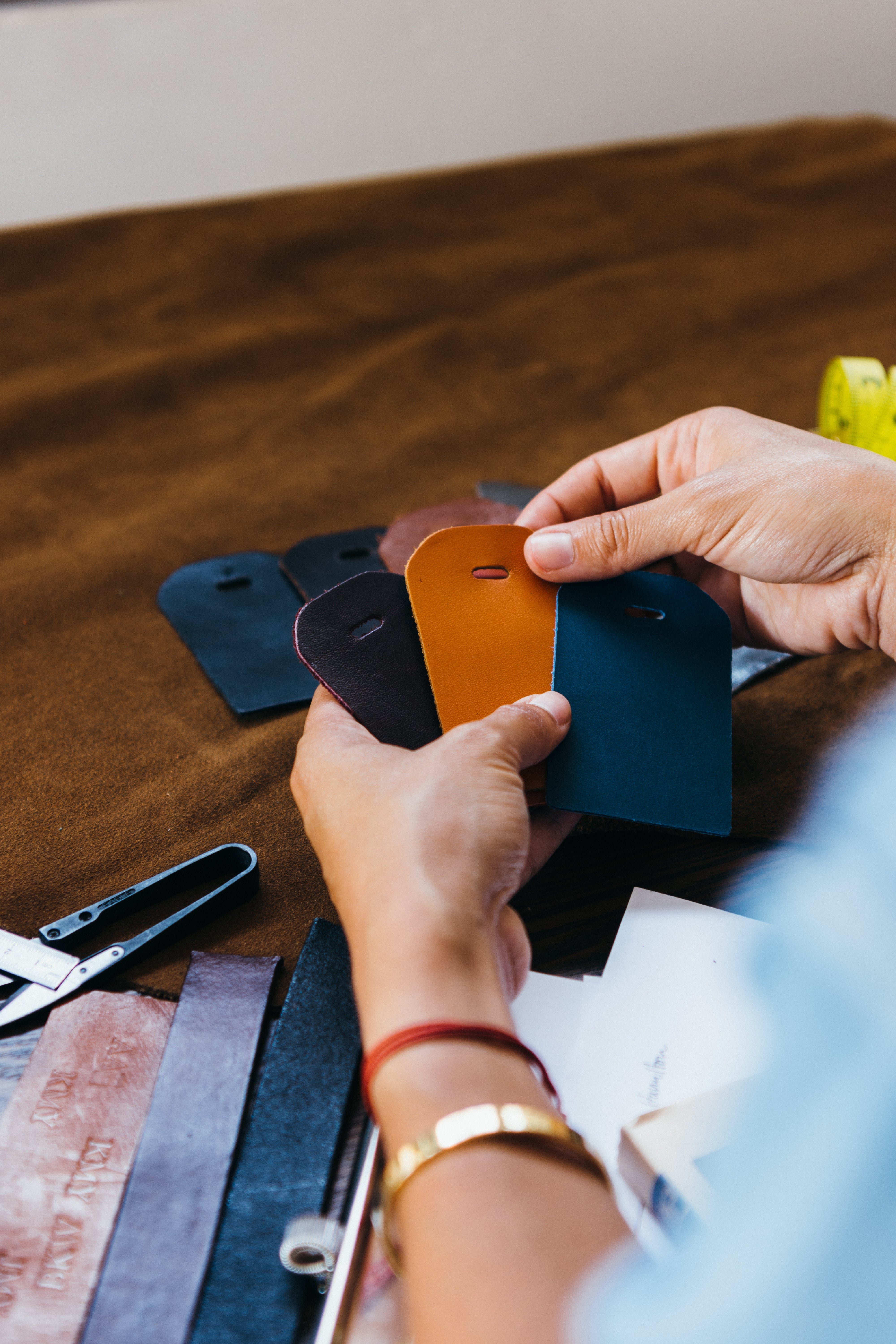
- Choose leathers for samples or prototypes
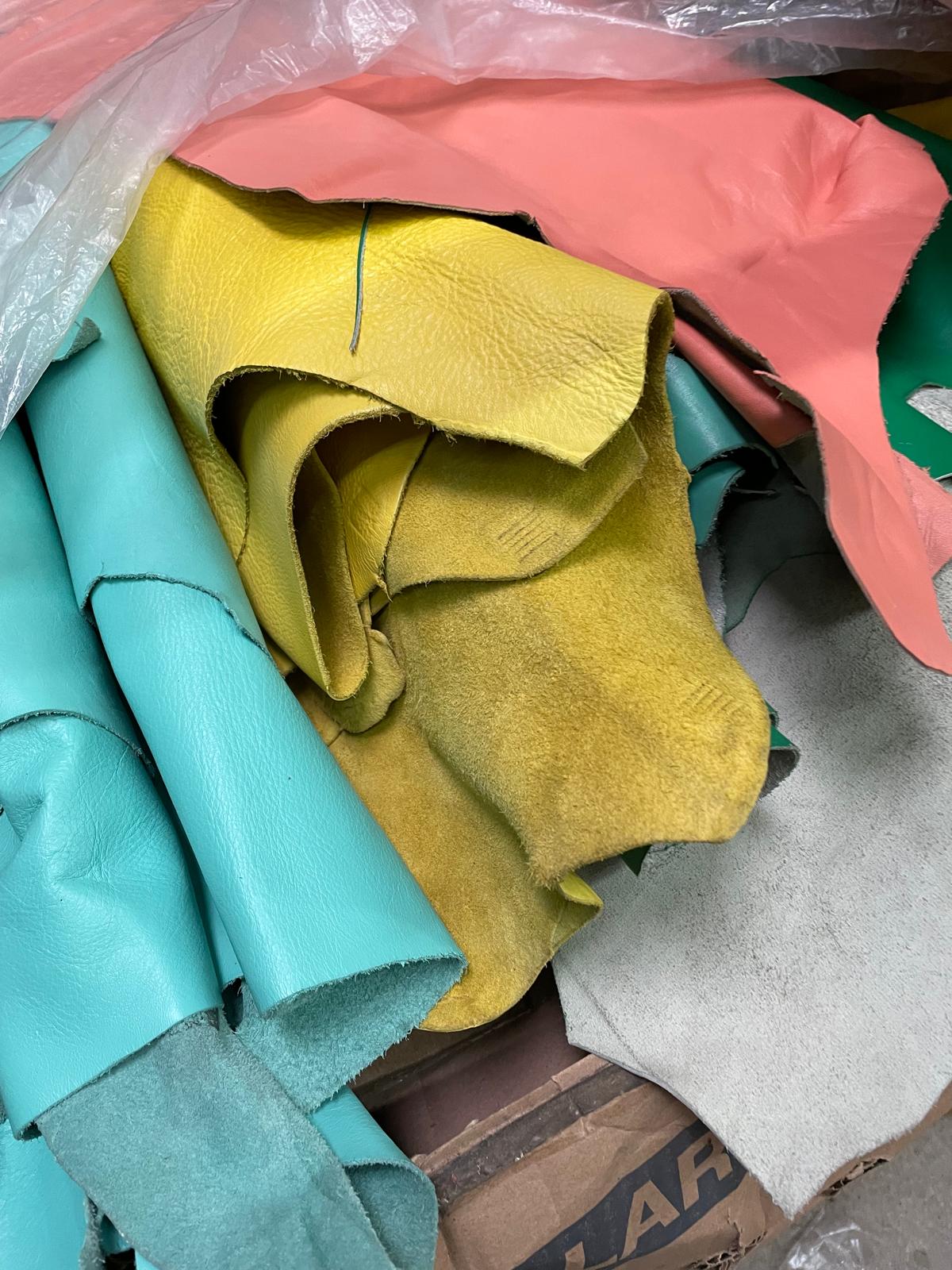
But one thing always stood out: there was an overwhelming amount of unused material.
A Hidden Problem in the Industry
I started asking about the origins of all this leather and why so much was left unused.
- Brands would order materials for samples or production runs.
- Excess leather was left behind at the factory.
- These materials ended up in a “stock room”—really just a storage area for surplus nobody wanted.
The quantities were significant, but not enough for large brands to justify another run. So the leather just sat there, unused. I saw the same issue when visiting footwear manufacturers in Mexico.
Starting Out in Los Angeles
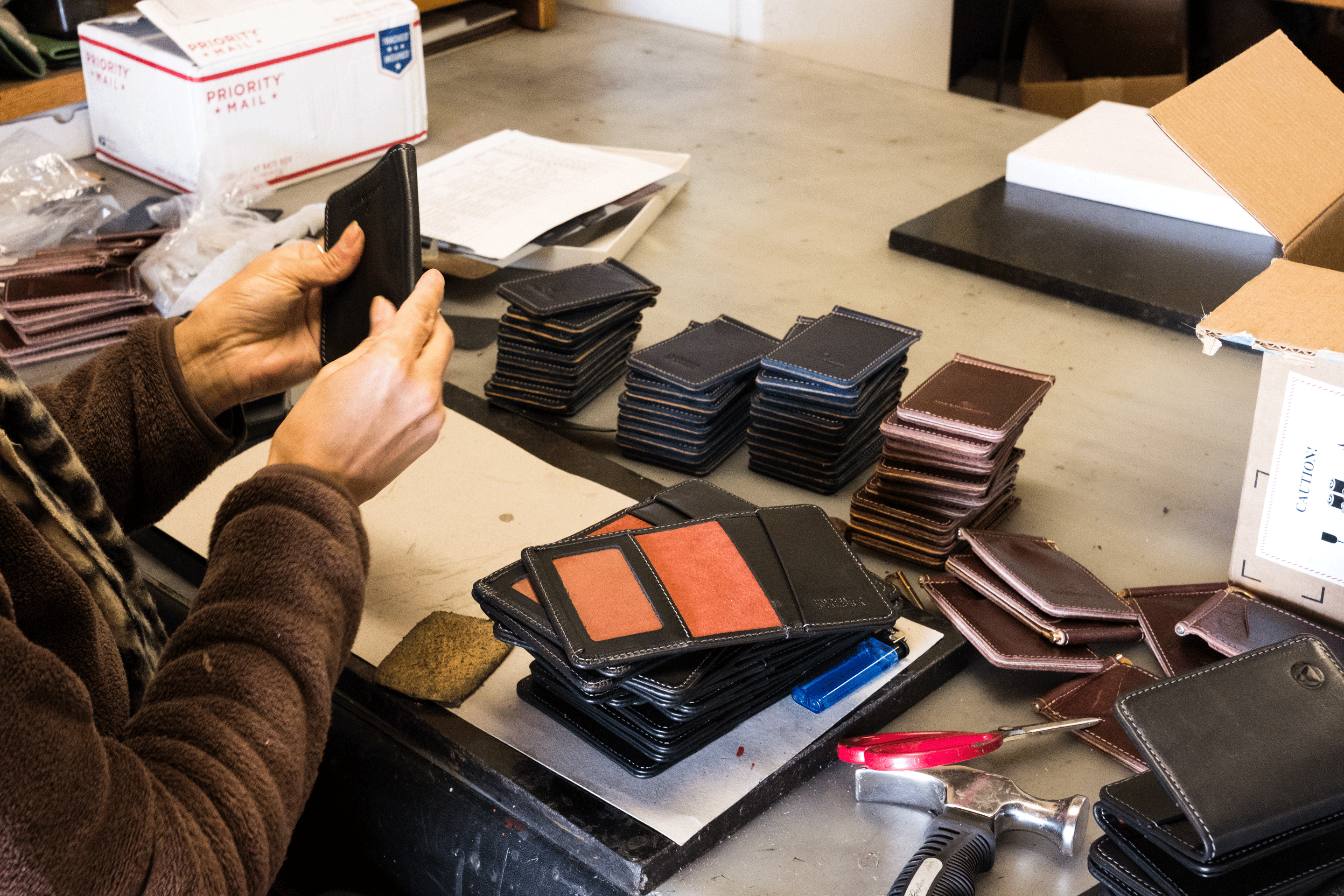
When I launched my own leather goods brand, I chose to keep production local in Los Angeles. Working with my LA factory, I noticed those same shelves stacked with beautiful, unused leathers.
A Shift Toward Sustainability
In 2020, I made a pivotal decision: Casupo would focus on using surplus leathers. These quantities were perfect for small-batch production, and each piece had its own story—rescued from waste and given new purpose.
Casupo in 2026: Impact and Growth
- In the past five years, Casupo has saved over 3 tons of high-quality leather from landfills.
- Factories now reach out to us for help repurposing their surplus materials.
- We help close the loop—transforming rescued leather into unique, sustainable products.
That’s how I built a sustainable leather brand: not by starting with sustainability as the goal, but by addressing a problem that was hiding in plain sight.
Frequently Asked Questions
How does Casupo source its leather?
Casupo sources surplus and excess leather directly from factories that have leftover material from larger brands’ production runs. This approach helps reduce waste and gives new life to high-quality leather that would otherwise go unused.
What makes Casupo’s leather goods sustainable?
Casupo’s sustainability comes from repurposing existing leather instead of using newly produced materials. By rescuing surplus leather, Casupo reduces landfill waste and minimizes the environmental impact of leather production.
How much leather has Casupo saved from landfills?
Since its founding, Casupo has rescued over 3 tons of leather from ending up in landfills, as of 2026.
Where are Casupo products made?
Casupo products are made locally in Los Angeles, California, supporting local manufacturing and ensuring quality craftsmanship.