Article: The Art of Leather Selection: How Premium Manufacturers Source and Evaluate Materials
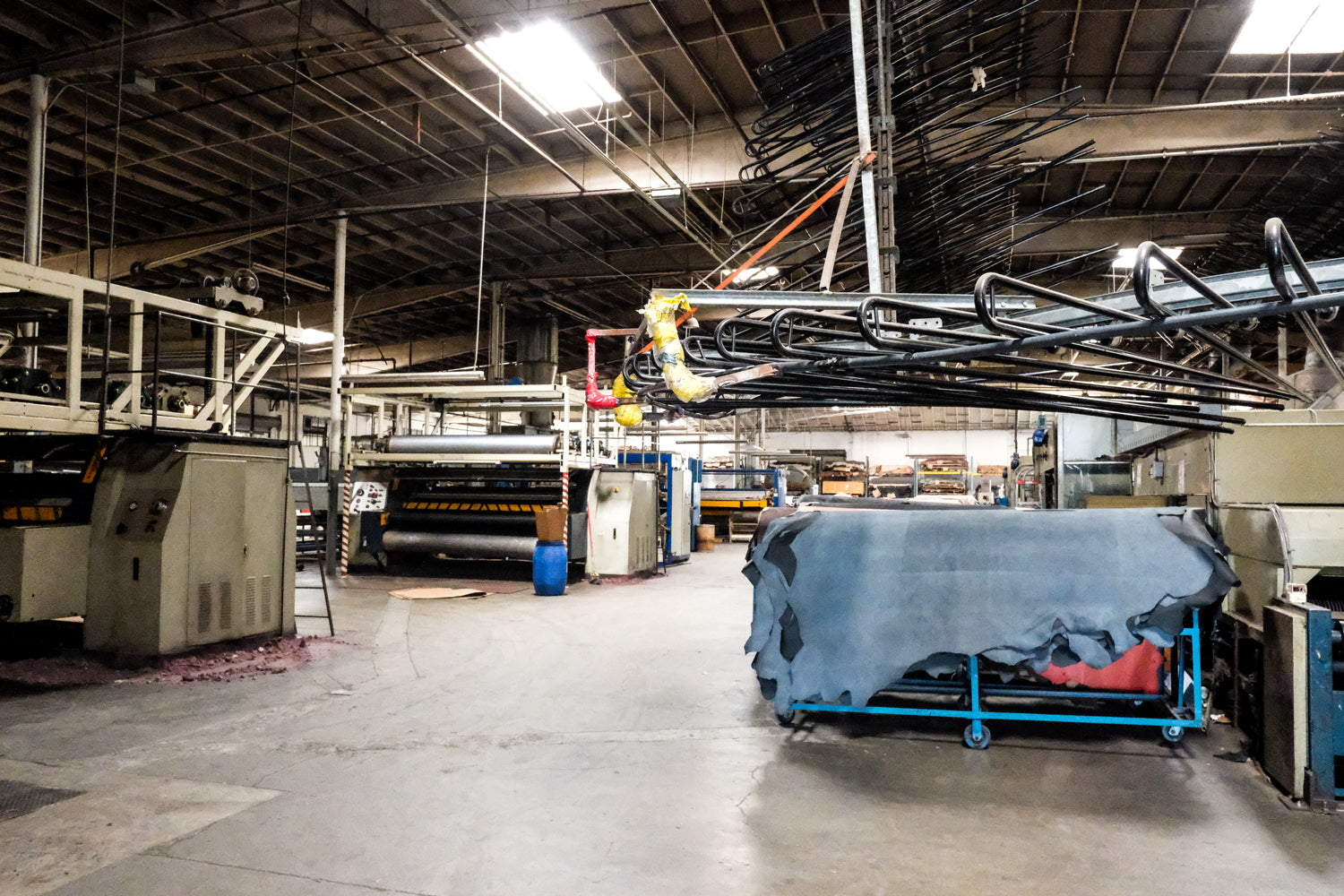
The Art of Leather Selection: How Premium Manufacturers Source and Evaluate Materials
Leather selection forms the foundation of luxury goods manufacturing, yet it remains one of the most complex and relationship-dependent aspects of the production process. Understanding leather grading systems, sourcing networks, and evaluation criteria enables brands to make informed decisions that impact both product quality and long-term business success.
Understanding Leather Grading Systems
Professional leather grading evaluates multiple characteristics that determine suitability for luxury applications. Full-grain leather represents the highest quality category, preserving the natural grain structure and offering superior durability, aging characteristics, and tactile appeal. Top-grain leather provides consistent appearance and workability while maintaining most natural characteristics.
Thickness consistency across hides affects manufacturing efficiency and finished product uniformity. Professional tanneries maintain strict thickness tolerances through controlled processing techniques and systematic quality monitoring. Irregular thickness creates production challenges and compromises finished product quality.
Surface characteristics including grain patterns, natural markings, and color uniformity determine aesthetic appeal and manufacturing yield. Premium hides exhibit consistent grain structure, minimal natural markings, and uniform color distribution that maximize usable material per hide.
Sourcing Network Development
Leather sourcing requires established relationships with reputable tanneries that understand luxury market requirements. Premium tanneries invest in specialized processes, quality control systems, and traceability programs that support luxury brand positioning and consumer expectations.
Geographic sourcing considerations include regional specializations, transportation logistics, and regulatory compliance requirements. European tanneries excel in traditional techniques and luxury finishes, while South American sources provide premium raw materials and competitive pricing structures.
Supply chain reliability depends on long-term partnerships rather than transactional relationships. Established suppliers provide capacity commitments, quality consistency, and technical support that spot market purchases cannot match.
Material Evaluation Criteria
Technical testing protocols evaluate leather performance characteristics that impact finished product durability and customer satisfaction. Tensile strength testing determines resistance to stress and wear. Flexibility assessment ensures adequate drape and comfort characteristics for specific applications.
Chemical analysis verifies tanning process quality and compliance with environmental regulations. pH levels, chromium content, and formaldehyde presence must meet international standards for luxury goods manufacturing and consumer safety requirements.
Aging characteristics determine how leather appearance and feel evolve over time. Premium leathers develop attractive patina through use while maintaining structural integrity. Inferior materials may crack, fade, or deteriorate under normal usage conditions.
The reality that most brands discover too late is this: exceptional leather sourcing isn't about having the biggest budget—it's about having the right relationships. Tanneries don't publish their best materials in catalogs; they reserve them for partners they trust and work with consistently.
After building relationships across Mexico's leather industry for over 15 years, I've learned that material quality comes from partnership, not purchasing power. The tanneries in our network provide access to premium selections that aren't available through general sales channels. You don't need a materials expert on payroll—you need access to expert networks.
Sustainability and Ethical Considerations
Environmental responsibility increasingly influences leather sourcing decisions as luxury consumers demand transparency about production practices. Sustainable tanning processes minimize water usage, eliminate harmful chemicals, and implement waste reduction strategies.
Traceability requirements include documentation of animal welfare standards, environmental compliance, and social responsibility practices throughout the supply chain. Premium brands increasingly require comprehensive supply chain visibility to support marketing claims and consumer expectations.
Certification programs such as Leather Working Group standards provide third-party verification of environmental and social compliance. These certifications become essential for brands targeting environmentally conscious luxury consumers.
Quality Consistency Management
Batch variation management ensures consistent material characteristics across production runs and seasonal purchases. Professional sourcing relationships include quality agreements, specification tolerances, and consistency monitoring protocols.
Inventory management strategies balance material freshness with supply security. Proper storage conditions, rotation protocols, and usage scheduling maintain material quality while ensuring production continuity.
Supplier relationship management includes performance monitoring, quality feedback systems, and continuous improvement initiatives. Long-term partnerships enable collaborative problem-solving and innovation development.
Cost Optimization Strategies
Volume purchasing programs provide cost advantages through established supplier relationships and consolidated ordering patterns. Professional manufacturing partners leverage combined purchasing power to secure better pricing and priority access to premium materials.
Yield optimization requires expertise in leather layout, cutting techniques, and waste minimization. Experienced craftspeople maximize usable material from each hide while maintaining quality standards and aesthetic requirements.
What successful brands understand is that material costs optimize through expertise and relationships, not through internal management overhead. The volume purchasing power and supplier relationships my Mexico network provides deliver better material pricing than any individual brand could negotiate independently.
Seasonal and Market Considerations
Seasonal availability patterns affect material sourcing strategies and inventory planning. Hide quality varies based on animal conditions, climate factors, and seasonal processing schedules. Professional sourcing accounts for these variations through advance planning and supplier diversification.
Market price fluctuations require strategic purchasing approaches and risk management strategies. Established supplier relationships provide market intelligence, pricing transparency, and flexible purchasing arrangements that help navigate market volatility.
You want predictable material quality, competitive pricing, and the assurance that your supply chain won't compromise your brand standards. My concierge service provides exactly that—established tannery relationships, proven quality systems, and the supply chain reliability that lets you focus on design and marketing rather than procurement management.
The most successful luxury brands recognize that exceptional materials require specialized sourcing expertise and long-term relationship management. By partnering with established sourcing experts, brands access premium materials and supply chain reliability while maintaining focus on core competencies in design, marketing, and customer experience.