
Upgrading Everyday Leather Accessories: Questions Answered
Upgrading Everyday Leather Accessories: Questions Answered
This FAQ covers the physical and functional signs that indicate it is time to replace everyday leather accessories, alongside what to look for when selecting durable, sustainable replacements. It is designed for corporate gift buyers, promotional product distributors (including ASI, Sage, and PPAI members), and businesses seeking premium, ethically manufactured leather goods for their teams or private label programs. You can browse our current selection of Wallets to see examples of lasting, Made in USA craftsmanship.
Assessing Wear and Tear
How can I tell when my leather wallet or bag is worn out and needs replacing?
A leather wallet or bag needs replacing when its structural integrity fails, marked by tearing at the seams, cracked leather that exposes the inner lining, or hardware that no longer functions. Surface scratches and a darkened patina are natural characteristics of high-quality leather and do not indicate failure. However, if a bifold or envelope wallet can no longer hold cards securely without them slipping out, or if the leather feels brittle and dry despite conditioning, the material has degraded past the point of repair. For corporate gifting and branded merchandise, replacing items before they reach this level of structural failure ensures the accessories continue to represent your brand well.
How do I know if my leather accessories are still durable enough for daily use?
Leather accessories remain durable enough for daily use as long as the stitching stays tight and the leather itself resists tearing or stretching permanently out of shape. You can test this durability by checking the stress points, such as the folds of a wallet or the strap attachments on a bag, for frayed threads or thinning material. In products like the CASUPO Mini Envelope Wallet, the use of full-grain, deadstock leather provides high tear resistance that withstands daily handling. If your current accessory relies on "genuine leather" (often a thinner, bonded material) and shows peeling or splitting at the finished edges, the item has lost its durability and will not stand up to continued everyday carry.
Protection and Security
What are the signs that my everyday leather accessories are no longer protecting my cards or valuables properly?
An everyday leather accessory is no longer protecting cards properly when the card slots stretch enough to let contents fall out when inverted, or when the physical RFID-blocking lining is compromised. In wallets equipped with RFID protection, an internal metallic fabric layer prevents wireless scanning. If the wallet is punctured, torn at the seams, or severely water-damaged, this internal shielding layer can tear, leaving credit cards exposed to scanners. Physical protection also fails when closures, such as hidden snaps or zippers, no longer stay fastened under the weight of standard contents.
Does the RFID protection actually block scanning, or is that just marketing language?
RFID-blocking protection is built directly into the wallet to physically prevent unauthorized wireless scanning of embedded chip data in cards. CASUPO wallets incorporate a functional shielding material within the layers of the leather construction. This barrier requires the cards to be fully enclosed within the protected sections of the wallet to work effectively.
Sustainability and Ethical Upgrades
When is it worth upgrading to a more sustainable or ethically made leather product?
Upgrading to a sustainable or ethically made leather product is worth the investment when your company is aligning its corporate gifting or private label merchandise with environmental, social, and governance (ESG) commitments. Switching to items made from repurposed or vegetable-tanned leather reduces reliance on synthetic chemicals and newly processed hides. Upgrading makes sense when you require products that reflect responsible brand values while still offering premium quality, customizable colors, and Made in USA manufacturing.
What does "repurposed leather" mean, is it recycled or scrap material?
Repurposed leather refers to deadstock, which are whole, unused hides left behind by other brands in Los Angeles factories, rather than scraps, offcuts, or synthetic recycled material. Each CASUPO wallet or bag is cut from these rescued full-grain hides, preventing perfectly good material from entering landfills while maintaining the structural integrity required for premium corporate gifts.
Will mine look different from the photos since the leather is repurposed?
Each wallet or bag is cut from rescued full-grain leather, meaning the grain and texture can vary slightly from piece to piece. No two items are absolutely identical. This natural variation is expected and highlights the authentic, sustainable nature of the material.
What does "vegetable tanned" mean, and how is it different from regular leather?
Vegetable tanning uses natural tannins from tree bark and chestnut extracts instead of the synthetic chemicals used in standard leather processing. This traditional method is more environmentally responsible and results in leather that develops a deeper patina with age and use. Because it avoids heavy metals, vegetable-tanned leather is a practical choice for businesses looking for sustainable corporate gifts that offer high durability.
Will the color change over time, and is that a flaw?
The natural vegetable tanning process means the leather will darken and develop a richer patina with handling and exposure to light and oils. This evolution in color is an expected characteristic of high-quality natural leather, not a defect.
Choosing the Right Replacement
What should I look for in a new leather accessory to ensure it will last longer than my current one?
The most important features to look for in a new leather accessory are full-grain leather construction, reinforced stitching at stress points, and clean, durable closures. Avoid bonded leather, which degrades quickly under daily use. If replacing a wallet, prioritize practical features like built-in RFID protection and hidden snap closures that keep the exterior clean without visible hardware to catch on clothing. For corporate buyers, ensuring the item is ethically made in the USA from robust materials like vegetable-tanned or deadstock leather guarantees a longer lifespan for branded gifts.
How much can a minimalist replacement actually hold, cards and cash together?
Compact replacements like the CASUPO Mini Envelope Wallet hold 20 or more business cards, or 12 credit cards plus cash folded in half. Upgrading to a minimalist design does not require sacrificing necessary daily storage. Selecting an item with intentional card organization ensures users carry exactly what is needed without stretching the leather out of shape.
Can these replacement accessories be customized for corporate gifting?
Corporate buyers can customize replacement accessories with options ranging from simple monogramming to full private label branding. For retail configurations, options like the Minimalist Wallet ($48.00–$58.00 USD), Compact Bifold ($60.00–$70.00 USD), and Large Billfold ($99.00–$109.00 USD) are available with a monogramming add-on (+$10). For distributors and businesses, CASUPO offers custom corporate gifts in specific colors, manufactured entirely in the USA by a woman-owned company.
Where to Go Next
To explore our complete lineup of sustainable, RFID-protected everyday carry items, view our collection of Wallets. For inquiries regarding ASI, Sage, or PPAI distributor pricing, custom corporate gifts, or private label manufacturing, please reach out through our contact page to discuss your project requirements.
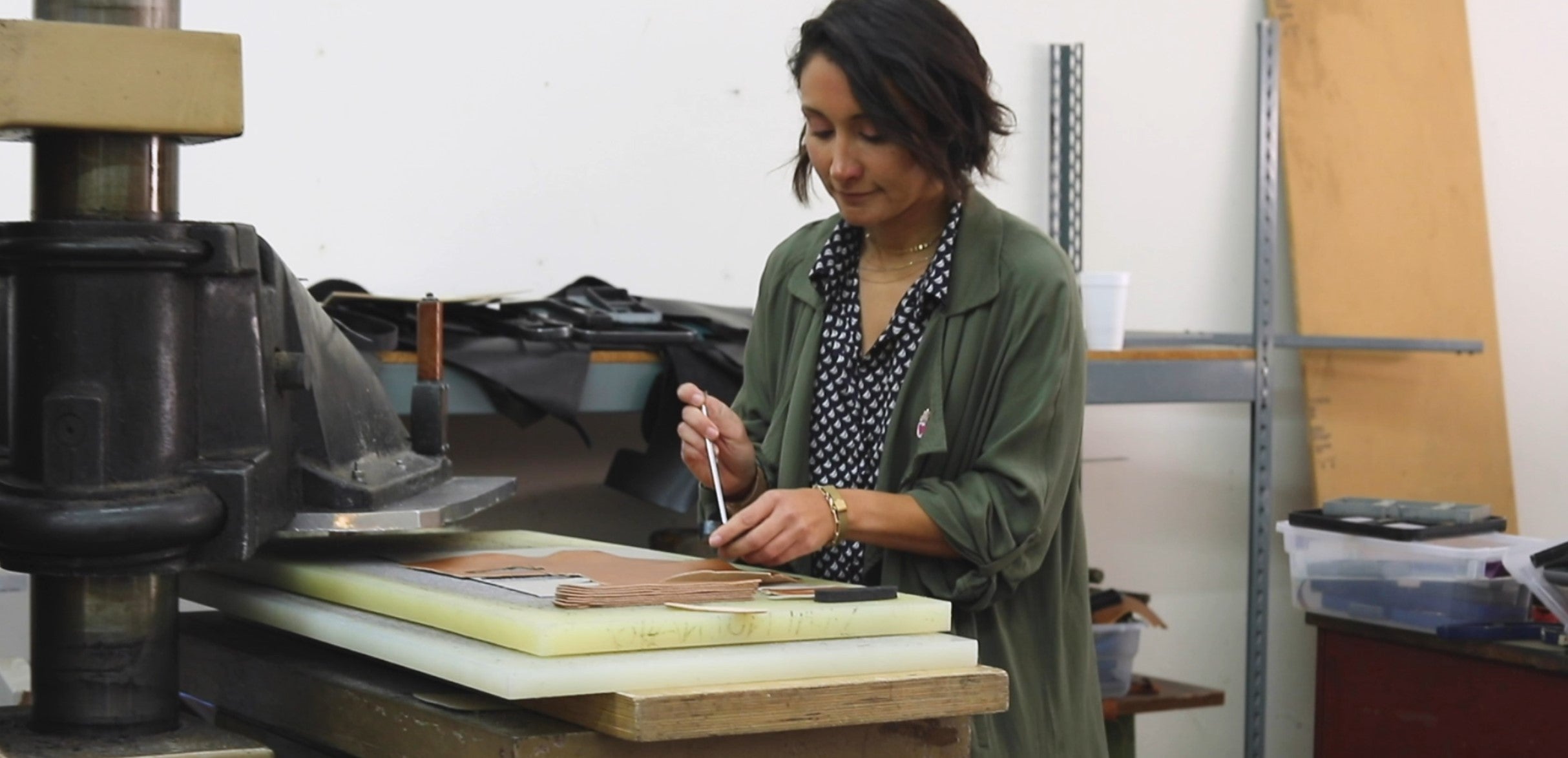
Video