
The True Cost of Cheap Leather
Leather production has a long and storied past. As noted by Britannica, humans have been making leather for over 7,000 years, with tanning techniques dating back to ancient Egypt. In 2026, the leather market is more complex than ever, offering everything from traditional full-grain leather to modern synthetic alternatives.
The True Cost of Cheap Leather
While shopping for leather, the huge range of quality and price can be overwhelming. Cheap leather products are tempting due to their low cost and convenience. However, these low-quality options often come with hidden costs that outweigh the initial savings.
Why Cheap Leather Costs More in the Long Run
Cheap leather is generally much lower in quality compared to full-grain or high-grade leather. Here’s how those quality differences add up over time:
- Much Shorter Lifespan. Full-grain leathers, such as those described at CASUPO, are highly durable and can last for many years. In contrast, bonded leathers and other cheap alternatives tend to crack, peel, and wear out quickly. One quality leather item can outlast several cheaper ones.
- Lose Their Appearance Quickly. High-quality leathers develop a unique patina and become more attractive with age. Cheap leathers, however, often fade, lose their color, and look worn out much faster.
- Release Harmful Chemicals Over Time. Bonded leathers, which mix real and synthetic materials, can release chemicals as they age due to the adhesives and treatments used in manufacturing.
The Environmental Impact of Cheap Leather
Beyond quality concerns, cheap leather products also create greater environmental harm:
- Landfill Waste. Most cheap leathers are not biodegradable. The plastics and chemicals used in their production persist in landfills for decades, contributing to pollution. Because they wear out quickly, they are discarded more often than durable full-grain leather goods.
- Hazardous Production Chemicals. Faux leathers such as PU and PVC are produced with chemicals like chlorine, which can be dangerous for workers and have long-term environmental effects.
Investing in Quality Leather
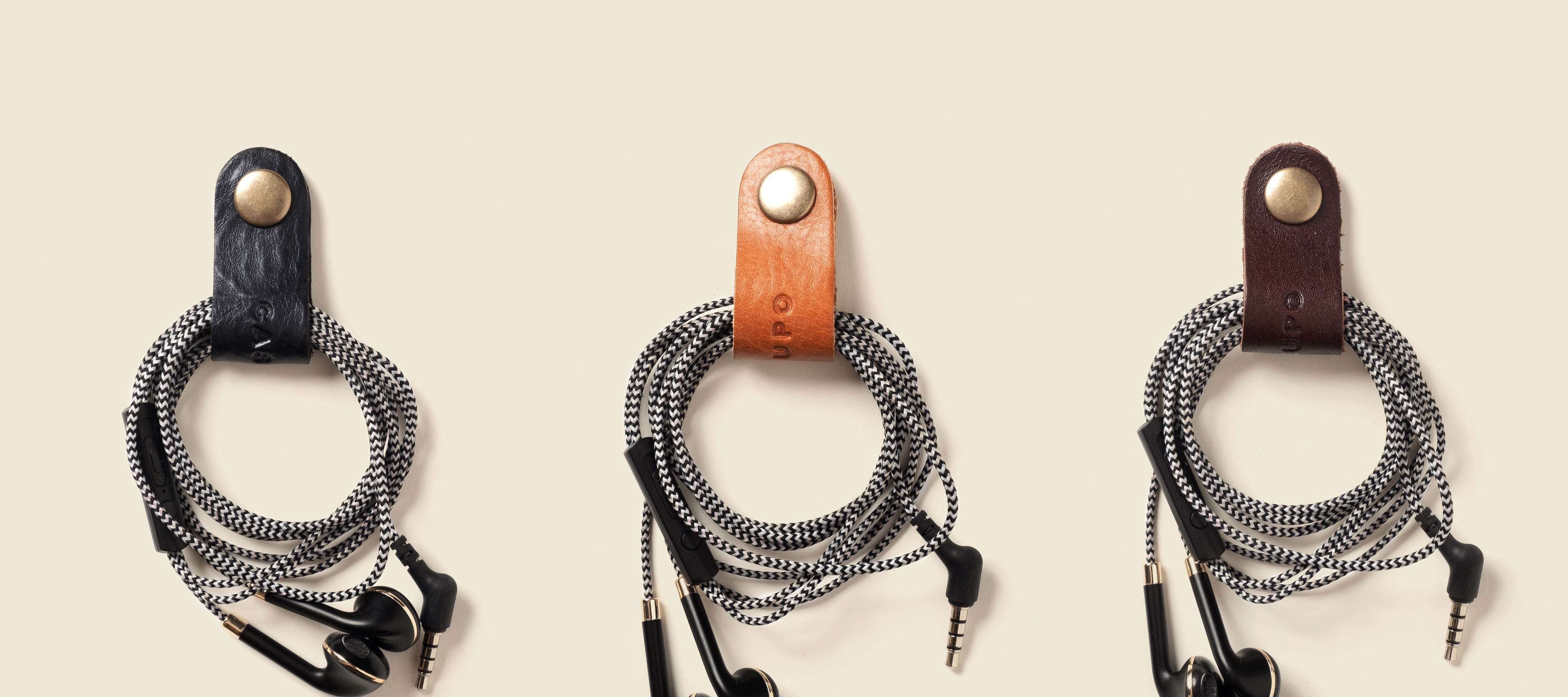
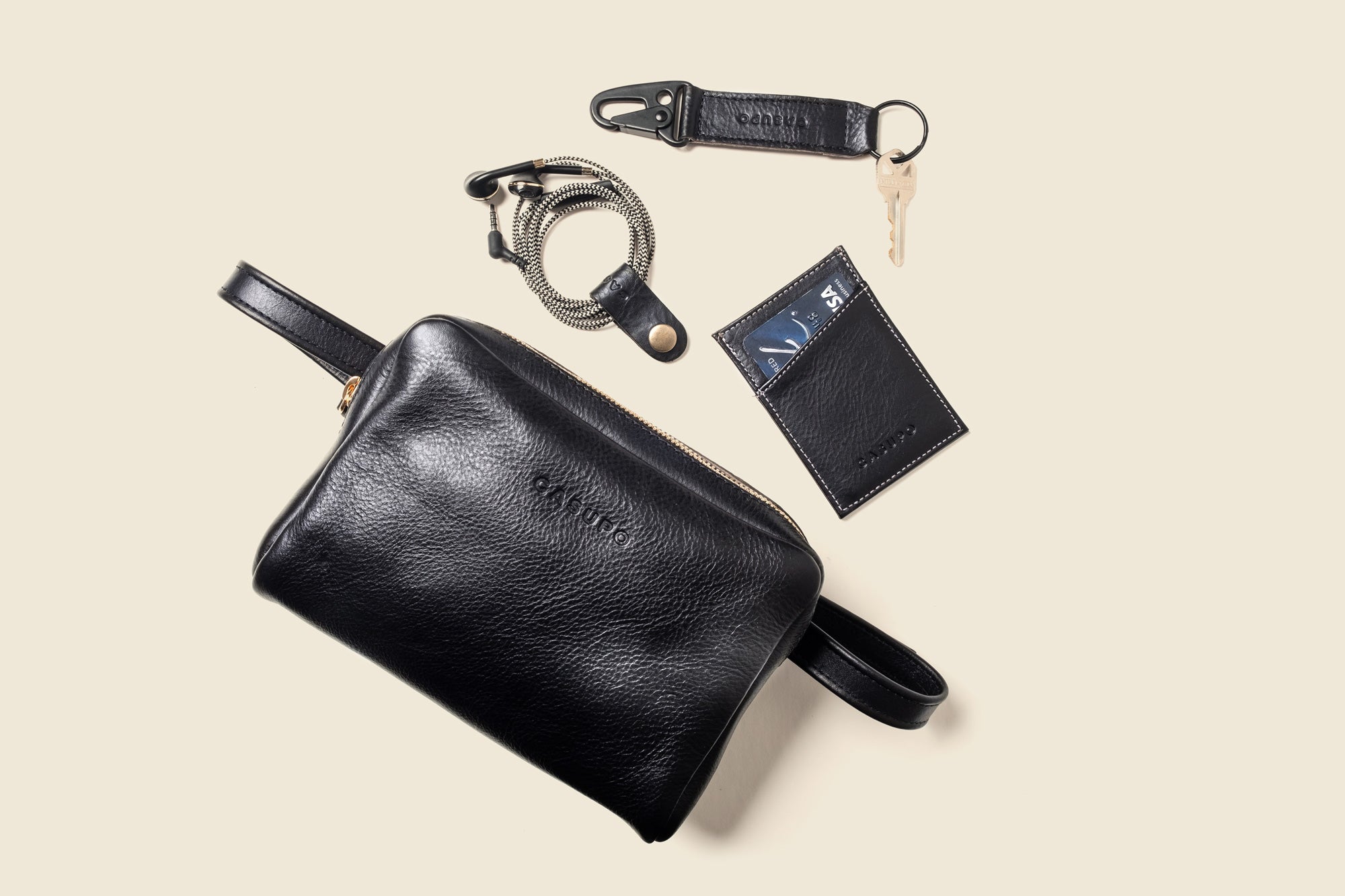
While low-quality leathers may seem like a bargain at first, they are often more expensive in the long run due to their short lifespan and environmental impact. Choosing high-quality, full-grain leather products is a more sustainable and cost-effective option. Ready to invest in leather goods that last? Explore CASUPO’s collection of full-grain leather products.
Frequently Asked Questions
What is the difference between cheap leather and full-grain leather?
Cheap leathers, such as bonded or faux leather, are made from lower-quality materials and often include synthetic layers or adhesives. Full-grain leather is made from the top layer of the hide and is much more durable, developing a beautiful patina over time.
Why does cheap leather wear out faster?
Cheap leather uses lower-quality materials and manufacturing processes. As a result, it is more prone to cracking, peeling, and fading, while high-quality leather can last for many years with proper care.
Are cheap leather products bad for the environment?
Yes, most cheap leathers are not biodegradable and are made with chemicals that can harm the environment. They also end up in landfills more quickly due to their short lifespan.
Is it worth paying more for high-quality leather?
Investing in high-quality leather pays off over time. These products last longer, look better as they age, and are less harmful to the environment compared to cheap alternatives.

Leave a comment
This site is protected by hCaptcha and the hCaptcha Privacy Policy and Terms of Service apply.