From Sample to Shelf: The Complete Luxury Leather Production Timeline
Understanding the complete production timeline for luxury leather goods is essential for brands planning launches, managing inventory, and meeting customer expectations. Every phase of manufacturing involves specific tasks, quality checkpoints, and potential variables that can impact delivery schedules. Professional planning requires realistic timeframes and contingency strategies.
Design Development and Sampling Phase (3-4 Weeks)
The production journey begins with design refinement and initial sampling. Pattern creation requires precision drafting, template development, and size grading across product ranges. Initial samples undergo multiple iterations as designs are refined for both aesthetic appeal and manufacturing efficiency.
Material selection during this phase involves sourcing leather samples, hardware options, and thread color matching. Each component must be evaluated for compatibility, availability, and cost implications. Professional manufacturers maintain extensive material libraries that accelerate this selection process.
Sample evaluation includes fit testing, durability assessment, and cost analysis. Design modifications identified during sampling prevent costly changes during full production runs. This investment in upfront planning typically reduces overall project timelines and ensures smoother production execution.
Pre-Production Planning (2-3 Weeks)
Production planning involves material procurement, capacity scheduling, and quality standard establishment. Leather ordering requires lead time consideration, as premium hides may require special preparation or finishing processes. Hardware and component sourcing must account for minimum order quantities and supplier lead times.
Facility scheduling considers current production commitments, seasonal demand fluctuations, and skilled craftsperson availability. Complex pieces require experienced operators, and scheduling must ensure appropriate skill levels are assigned to each production phase.
Technical documentation preparation includes detailed specifications, quality standards, and packaging requirements. Clear communication prevents misunderstandings and ensures consistent execution throughout production runs.
Production Execution (4-6 Weeks)
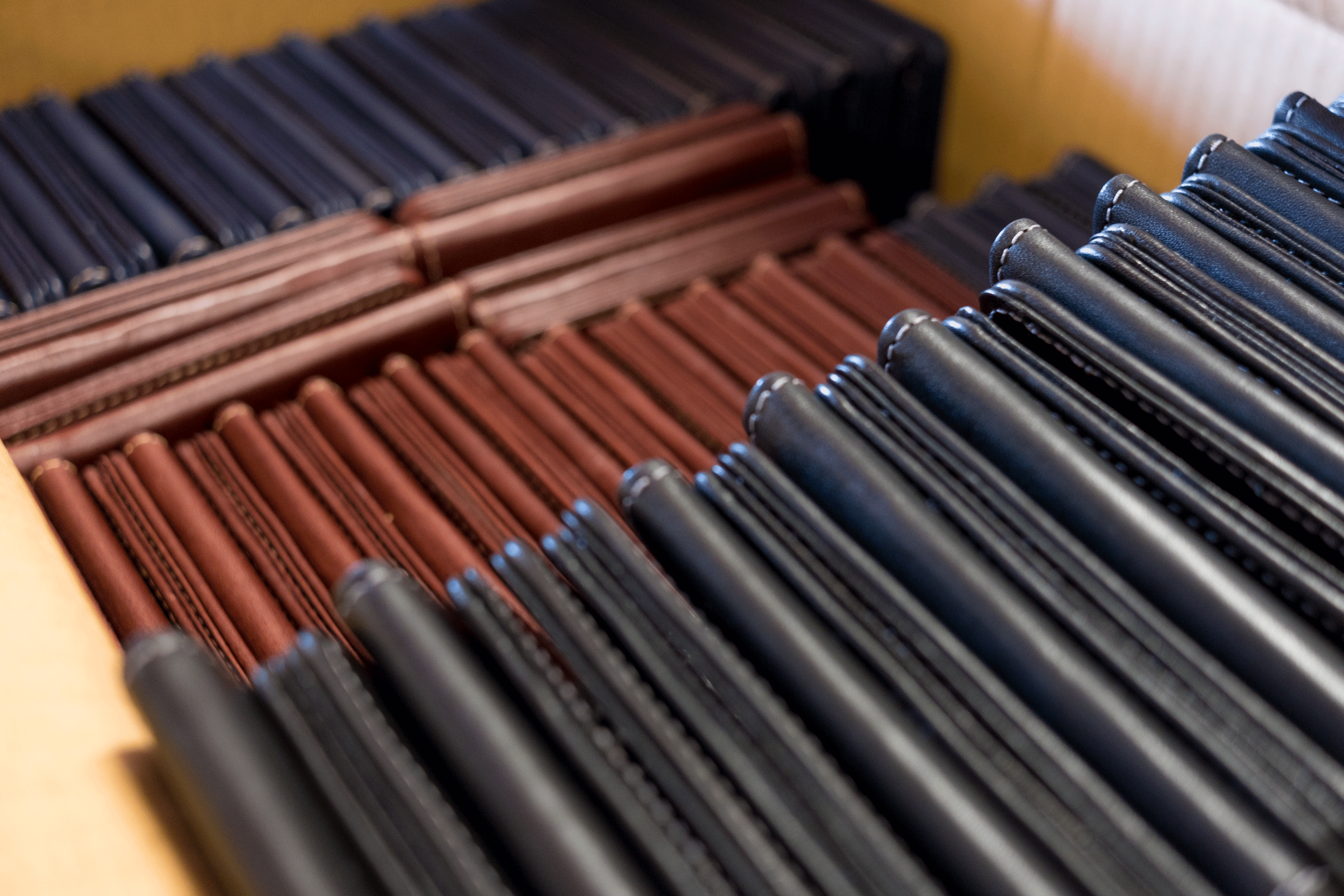
Manufacturing execution begins with material preparation and cutting operations. Leather layout optimization maximizes material utilization while maintaining quality standards. Pattern placement considers grain direction, natural markings, and color consistency requirements.
Assembly operations progress through systematic phases with quality checkpoints at each stage. Stitching operations require consistent tension and precise seam placement. Hardware attachment must meet strength specifications while maintaining aesthetic standards.
Finishing operations include edge treatment, surface conditioning, and final quality inspection. Each piece undergoes comprehensive evaluation before approval for packaging and shipping. Rejected items require rework or replacement, potentially impacting delivery schedules.
One question dominates every initial conversation with new clients: "When exactly will my products be ready?" This anxiety stems from previous experiences with unreliable suppliers and missed launch deadlines. The uncertainty is precisely what prevents the strategic planning and business growth they're seeking.
Here's what 15 years of Mexico manufacturing relationships teaches you: predictability comes from proven systems, not optimistic promises. When you have established partnerships with facilities that understand luxury production requirements, timeline reliability becomes standard operating procedure, not wishful thinking.
Quality Assurance and Testing (1 Week)
Comprehensive quality evaluation involves systematic inspection protocols and testing procedures. Visual inspection covers stitching quality, finish consistency, and hardware functionality. Functional testing evaluates durability, performance characteristics, and safety requirements.
Documentation review ensures compliance with specifications and regulatory requirements. Packaging inspection verifies protection adequacy and brand presentation standards. Final approval requires sign-off on representative samples from each production batch.
Corrective actions for non-conforming products may extend timelines but prevent customer satisfaction issues and brand reputation damage. Professional facilities maintain quality reserve capacity to address issues without compromising delivery commitments.
Shipping (1 Week)
Final packaging operations include individual product protection, branding application, and shipping container preparation. International shipping requires customs documentation, compliance certifications, and appropriate insurance coverage.
Transit times vary based on shipping methods, customs processing, and destination requirements. Professional logistics coordination ensures proper handling and tracking throughout the delivery process.
The brands that grow fastest share one common trait: they delegate production management to experts so they can focus on strategic initiatives. You don't need another full-time employee coordinating schedules and managing suppliers—you need proven systems and established relationships that deliver predictable results.
Variables and Risk Management
Production timelines face potential variables including material delays, equipment issues, and skilled labor availability. Professional manufacturers maintain contingency plans and alternative resource options to minimize impact on delivery schedules.
Seasonal demand fluctuations affect facility capacity and material availability. Advance planning and flexible scheduling help navigate peak production periods without compromising quality or timeliness.
What you really want is reliable delivery dates you can plan around, the bandwidth to focus on your next collection while your current one is in production, and the confidence that comes from working with proven professionals. My concierge service delivers exactly that—established Mexico partnerships that treat timeline commitments as sacred promises, not rough estimates.
The most successful luxury brands recognize that production timeline management requires specialized expertise and established relationships. By partnering with experienced professionals, brands gain access to proven planning systems and contingency resources that ensure reliable delivery performance while maintaining focus on core business development activities.